Thinking about Digital Publishing

Some implications of "digital" for scholarly communication

The Library Partnership Rating: a new way to evaluate academic publishers?

Reading Time: 2 minutes

Libraries and publishers interact all the time, but how can a library communicate its vision for scholarly publishing? We all know about the limitations of current metrics for journal publishing: all too often the much criticised journal impact factor is used, …

The Fiesole Retreat in Tübingen

Reading Time: 3 minutes

If you are seeking a sense of tradition, here was where to find it. This year’s Fiesole Retreat was held at the University of Tübingen, founded by Eberhard the Bearded, no less, in 1477, although the Alte Aula, the conference room, …

Failure in science

Reading Time: 3 minutes
From the handbook to the conference (graphic by Litza Jansz)

This fascinating one-day event, at Imperial College, London, looked at failure from many angles. Speakers included established professors, writers, publishers, as well as early career researchers, on what failure means, …

Lazy definitions in the digital era

Reading Time: 4 minutes
Oxford Dictionary of English Etymology, 1966

One unexpected aspect of digital publishing is the increasing misuse of links. Instead of explaining something, writers are increasingly turning to hyperlinks, saying, in other words, that I don’t need to explain this term – …

Understanding Research Impact and Metrics: Insights from the library

Reading Time: 3 minutes
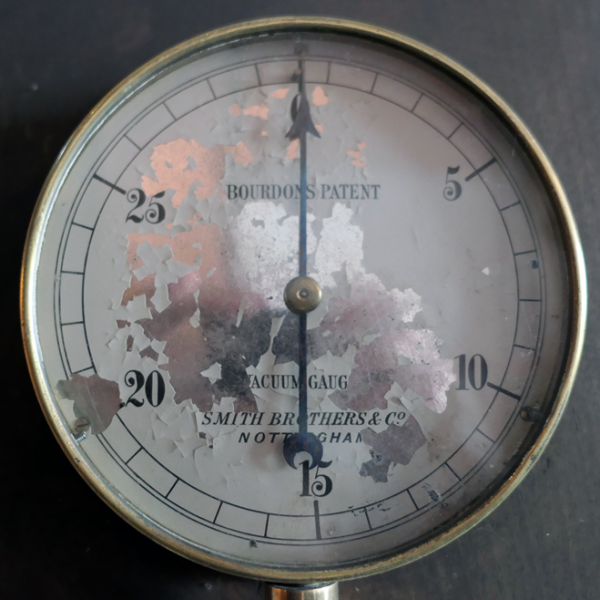
Pressure gauge for a 19th-century steam engine

Universities spend considerable time and money trying to measure research influence, but do those metrics truly capture scholarly value? I talked with Rachel Miles, research impact coordinator at Virginia Tech Libraries, to find out …

A not very revolutionary history of science

Reading Time: 3 minutes
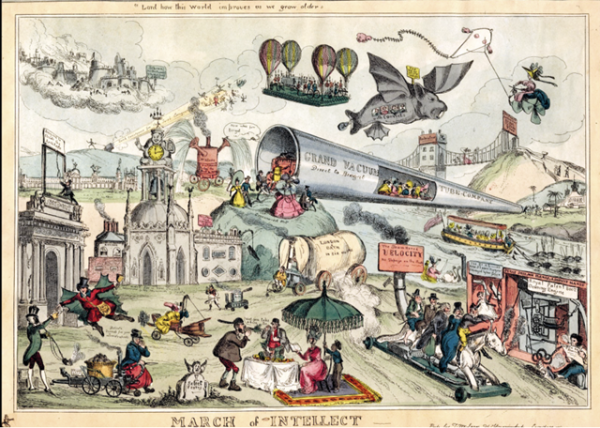
The March of Intellect, by William Heath, 1829, satirizing the Whig idea of steady progress of society through science and technology

The chance to hear Nobel prize-winner Paul Nurse speak (at the Ernst  Chain Memorial Lecture, Imperial College) was too good …

Exploring the future of community-led open access books: the 2026 Copim Conference

Reading Time: 5 minutes
“Here East”, the stark London venue for the conference

What is a conference for? It can be to impart information; it can be to bring people with similar interests and concerns together; but perhaps the most valuable thing a conference can …

A Cambridge publishing success story

Reading Time: 3 minutes

It may surprise some that there is more than one academic book publisher in Cambridge. Open Book Publishing, founded in 2008 by Cambridge academics Rupert Gatti and Alessandro Tosi, is one of the most successful open-access publishers in the UK. …

Two contrasting views of science

Reading Time: 3 minutes

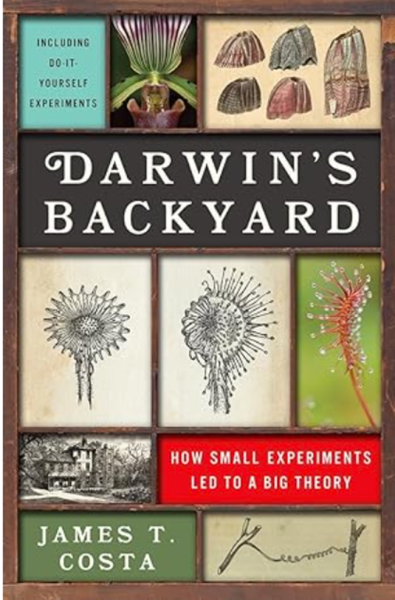
Not all scientists are like Darwin. This is clear from a fascinating book (Darwin’s Backyard, by James Costa) about Darwin’s second life: not the five years he spent on the Beagle Expedition, but the remainder of his life, which …

Gregory Laynor: from Gertrude Stein to systematic reviews

Reading Time: 2 minutes
Gregory Laynor photo

Meta-Research, or research about research, has existing for many years, but only recently has it started to be identified more formally. Gregory Laynor, co-founder of the Meta-Research Collaborative, is in the forefront of this area of information science.

In this interview…

Page 3 of 39

Powered by WordPress & Theme by Anders Norén