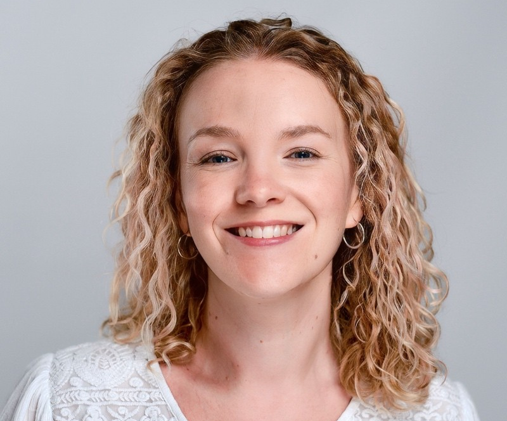
Caroline Ball, who I interviewed on the ATG Podcast, has had a career of engagement with users: from working in a public library, to a trustee of Wikipedia UK, and her present role, as Community Engagement Lead with the Open …

Caroline Ball, who I interviewed on the ATG Podcast, has had a career of engagement with users: from working in a public library, to a trustee of Wikipedia UK, and her present role, as Community Engagement Lead with the Open …

Peter Brantley (talking recently in an interview on the ATG Podcast) has been involved with the interaction between publishing and technology ever since studying sociology at university. For his dissertation, he looked at how established companies adapt to rapidly changing product …

What does a library publishing program actually do—and why are more universities creating them? In a conversation with Jonathan Grunert, scholarly publishing librarian at the University at Buffalo, he describes how library publishing supports open access, helps researchers share their work, …
When people talk about research quality, they often jump straight to numbers: citations, impact factors, H-indices, and rankings. But, as Elizabeth Gadd explains a conversation on the ATG Podcast, research assessment is much bigger than metrics alone. To understand what …
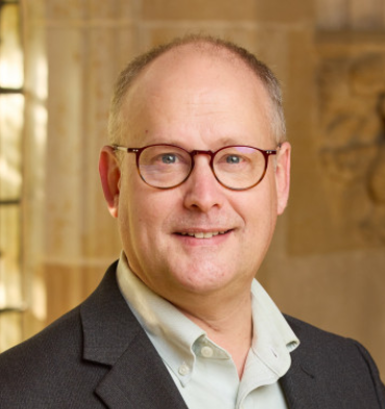
Daniel Dollar’s career has covered a wide range of information management and retrieval. After studying politics, he worked with the Congressional Research Service, which fired his enthusiasm for libraries. After a Master’s in Library Science, Daniel started at Yale working in …
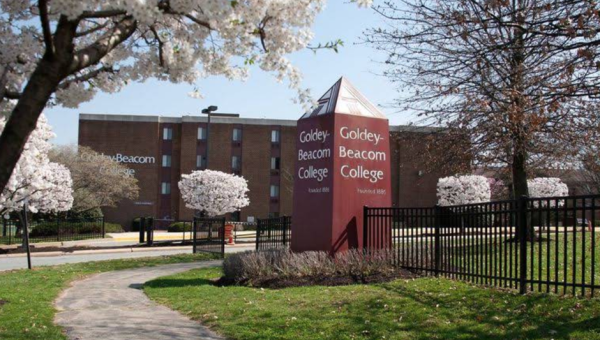
Small libraries face the same challenges as larger institutions, but with fewer resources, which is why it was so fascinating to talk for ATGthePodcast with Russell “Rusty” Michalak, Library Director at Goldey-Beacom College in Delaware. Despite having only 1300 students, Goldey-Beacom …

Orland Hoeber (University of Regina, Canada) has spent much of his academic career looking at why and how we search for scholarly content. Should we have one search interface for everything? Clearly not, but what kind of searching is most appropriate …

Ben Lee teaches on the library master’s course at the University of Washington, including AI literacy, as well as editing a scholarly journal, Digital Humanities Quarterly. He trained as an astrophysicist, but got involved in human-computer interaction by working with …
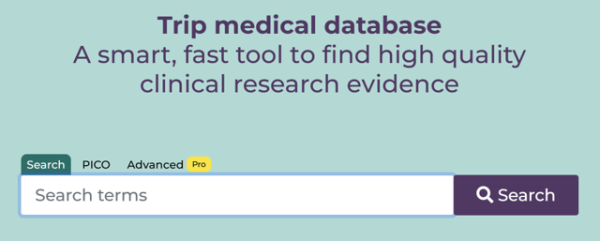
Trip is that rare exception, a David in a world of Goliaths. In the real world, the Goliaths usually win, but in Trip’s case, it has survived and gone from strength to strength.
What is Trip? It is a database of …

Sci-Hub, Anna’s Archive, Library Genesis – we are all familiar with these names. They are collectively known as shadow libraries; who knows, perhaps because they only exist in the …
Powered by WordPress & Theme by Anders Norén